

Upper Eyelid Surgery | Upper Blepharoplasty
Why Mr Potter
Upper Blepharoplasty
16 years performing upper eyelid surgery
0% long-term pain
0% haematoma post-operatively
0% unplanned return to theatre within 30 days
0% asymmetry requiring revision
Average post-operative stay: day case
Return to office work: 1–2 weeks
PHIN patient satisfaction score: 99%
PHIN is an independent government audit of consultant patient outcomes, randomly sampling post-operative patients. A 99% satisfaction score places Mr Potter among the highest-rated plastic surgeons in the country.
Understanding Your Eyelids
Why a careful assessment matters

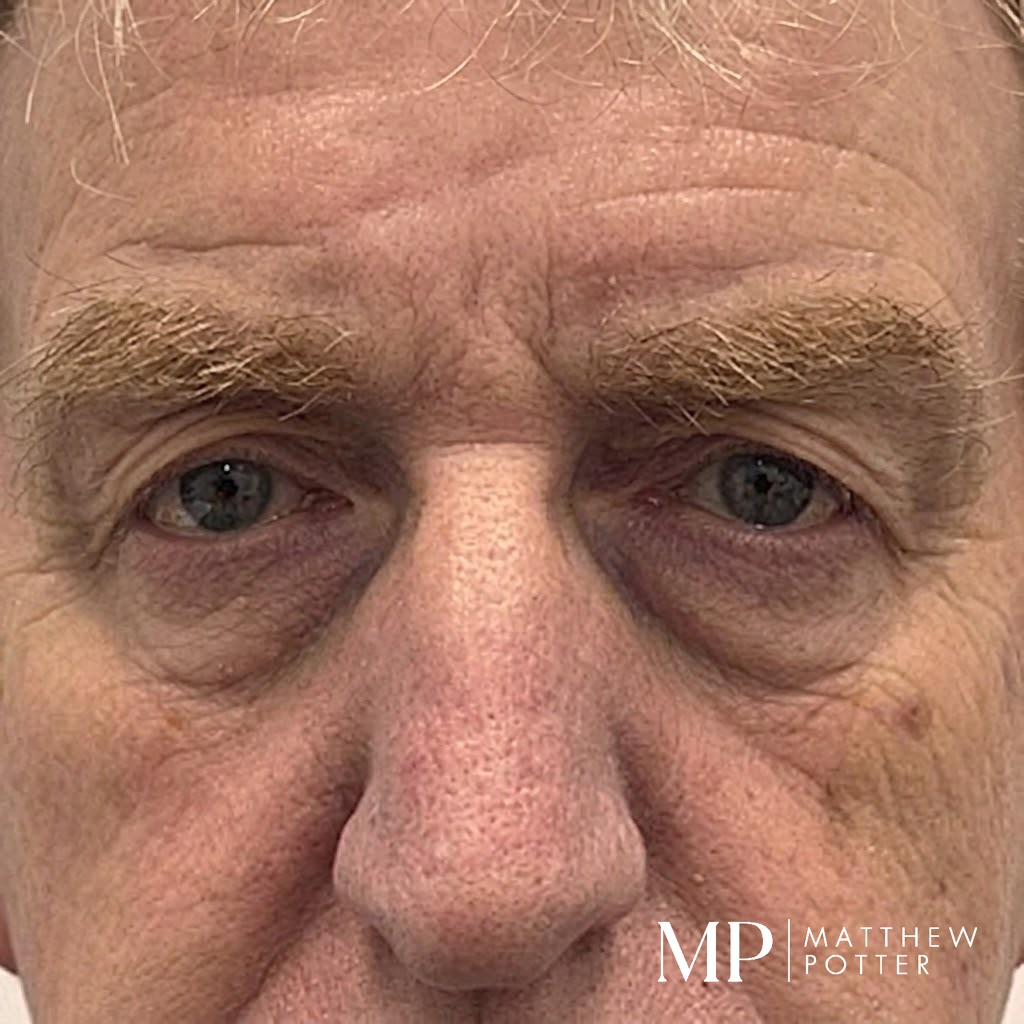
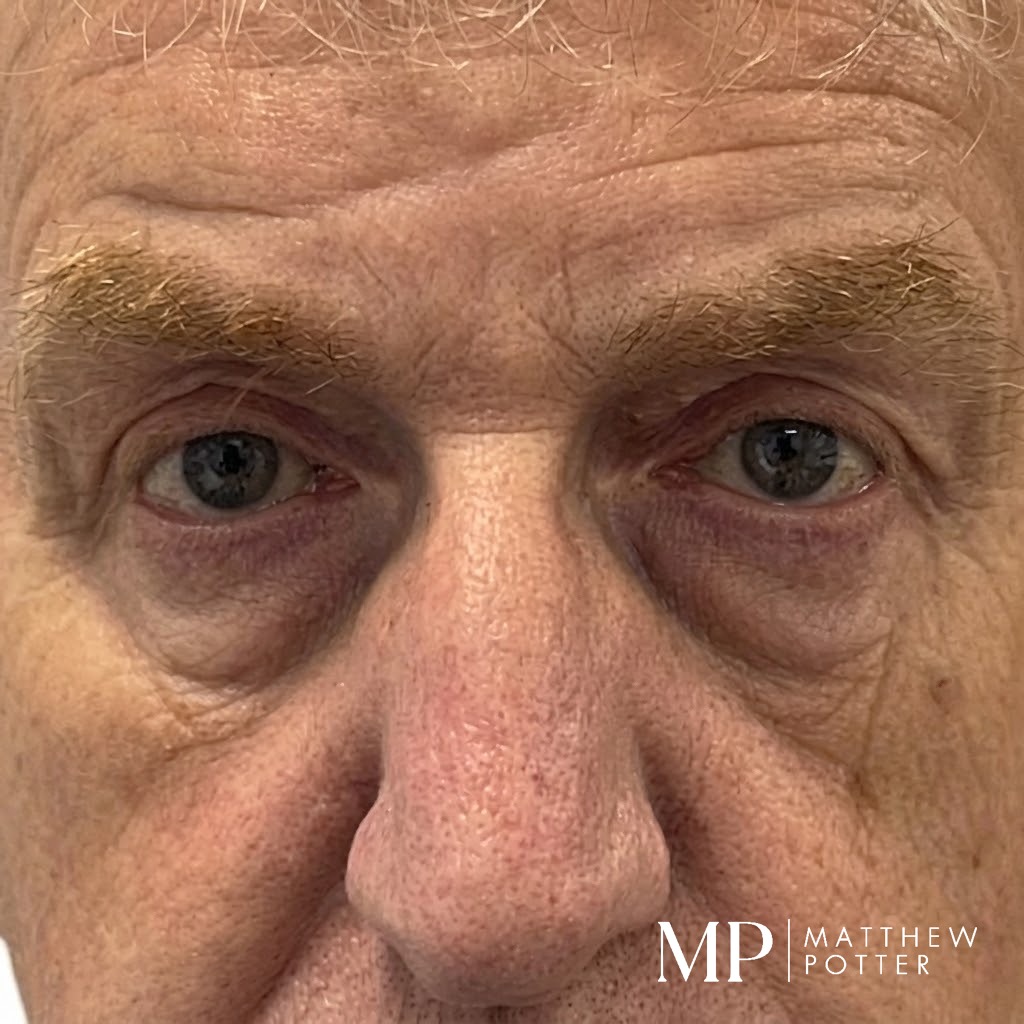
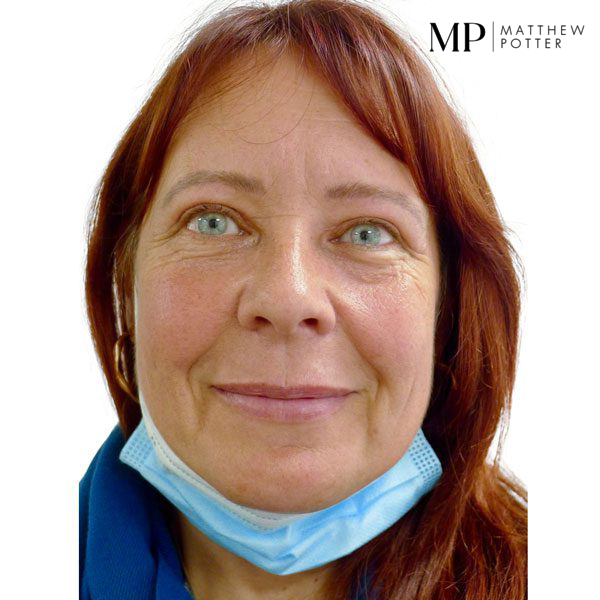
Patient Imagery
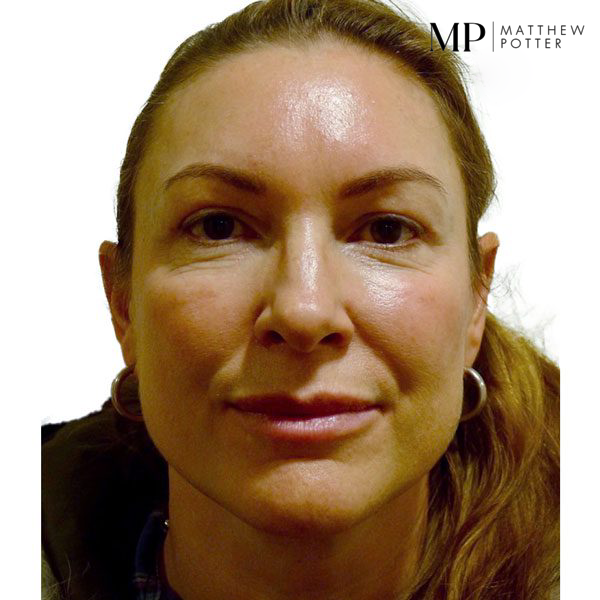
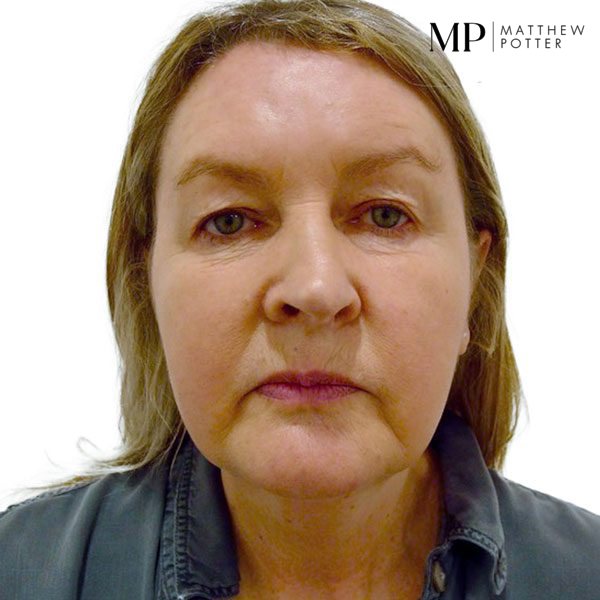
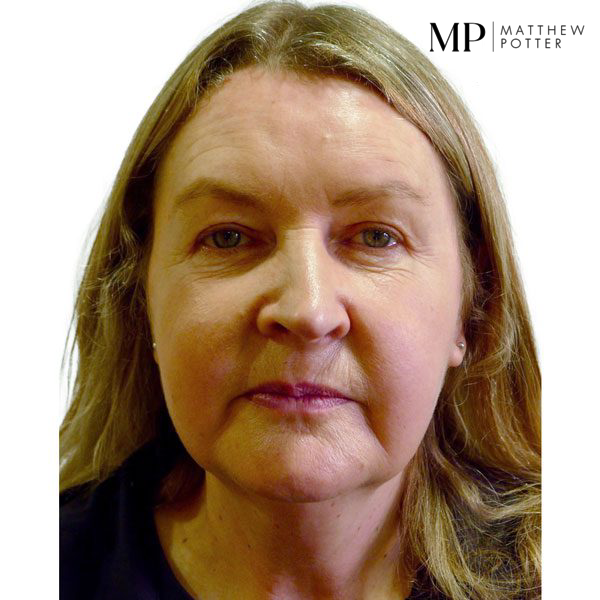
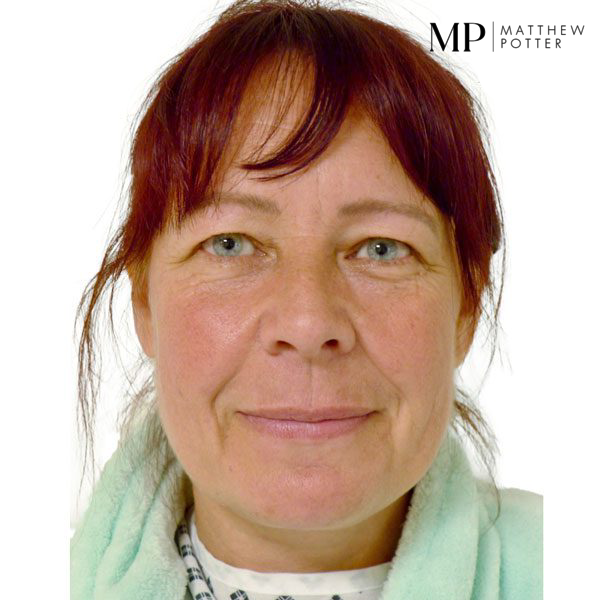
The Procedure
Upper blepharoplasty is performed under local anaesthetic. The procedure takes approximately one hour. It is a day case — patients are observed for approximately one hour after surgery to confirm there is no post-operative bleeding, then discharged home. You will need someone to take you home and must not drive for at least 48 hours after the procedure.
Recovery — Upper Blepharoplasty
Days 1–2 – Bruising and swelling peaks; bruising may resemble black eyes
Day 1 onwards – Shower and wash the area daily
1 week – Sutures and tapes removed at outpatient clinic
1–2 weeks – Most patients return to office-based work
3 weeks – Review with Mr Potter
1 month – Avoid contact lenses until this point
- This procedure is not usually associated with significant pain — simple oral pain relief for the first two to four days is typically sufficient
- Apply eye drops morning and night for the first week if needed
- Avoid screens for extended periods in the early recovery period — reduced blinking causes the eye to dry out
- Avoid makeup until all wounds are confirmed fully healed at the outpatient clinic
- Avoid contact lenses for one month after the procedure
- Avoid coughing, straining and bending for at least two weeks
- Avoid strenuous exercise for 6 weeks
Dos and don'ts:
- This procedure is not usually associated with significant pain — simple oral pain relief for the first two to four days is typically sufficient
- Apply eye drops morning and night for the first week if needed
- Avoid screens for extended periods in the early recovery period — reduced blinking causes the eye to dry out
- Avoid makeup until all wounds are confirmed fully healed at the outpatient clinic
- Avoid contact lenses for one month after the procedure
- Avoid coughing, straining and bending for at least two weeks
- Avoid strenuous exercise for 6 weeks
Follow-up
You will be reviewed at 7 days at your original hospital, where the wound is checked and sutures removed. Mr Potter will review you again at 3 weeks to assess your progress, with regular reviews thereafter until the result has fully settled.
Upper Blepharoplasty
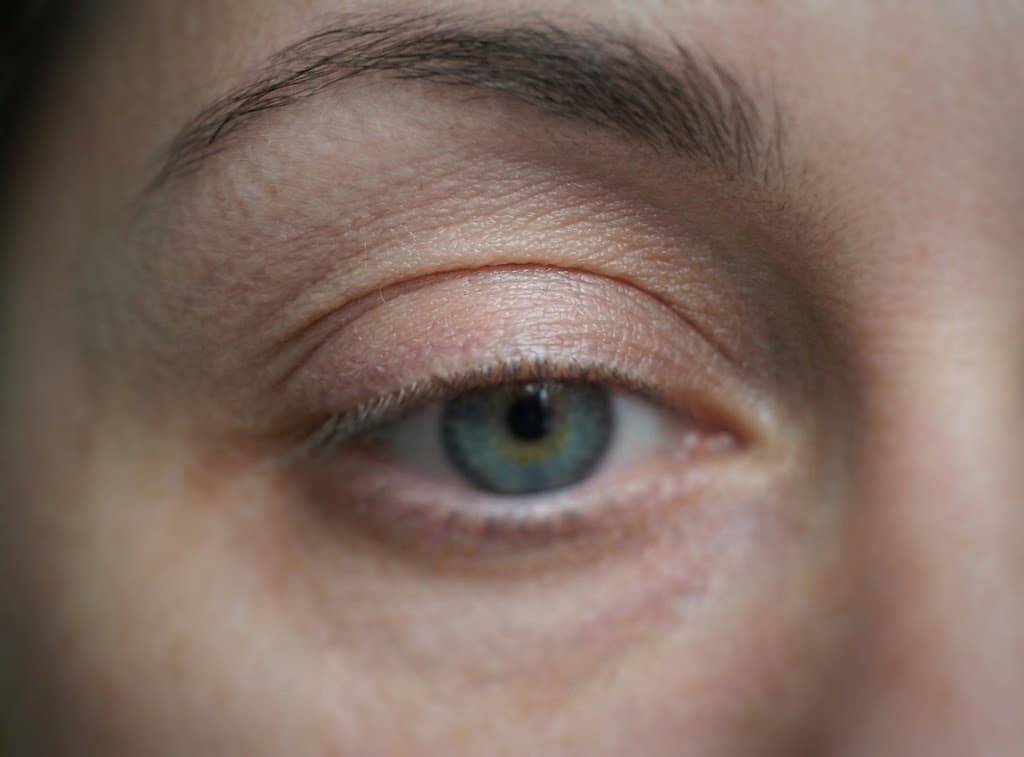
Upper eyelid surgery — or upper blepharoplasty — removes excess skin and muscle from the upper lid, and where appropriate addresses fat beneath the brow that is contributing to a heavy or aged appearance.
The incision is placed within the natural crease of the upper eyelid, where it heals to become virtually invisible. The result is a brighter, more open eye that looks refreshed without looking operated on.
- Swelling and bruising — expected; bruising may resemble black eyes in the first few days; settles within one to two weeks depending on the procedure
- Dry eyes — temporary; avoid prolonged screen use in the early recovery period; eye drops provided
- Changes in sensation — uncommon; usually temporary
- Eyelid drooping (ptosis) — highly likely immediately after upper blepharoplasty due to swelling and local anaesthetic effects; resolves with time. Long-term drooping is exceptionally rare.
- Ectropion — lower blepharoplasty specifically; a weakening of the lower lid causing it to droop below its desired position. Mr Potter tightens the lid structures as part of the procedure specifically to minimise this risk.
- Blurred or double vision — exceptionally rare; caused by temporary muscle weakness around the eye socket due to swelling; settles within days to a week
- Bleeding behind the eyeball — exceptionally rare but has been reported to cause blindness; noted as part of the full consent picture
- Scarring — incisions are placed within natural skin creases or folds to minimise visibility; scars typically become imperceptible within months
- Asymmetry — rare; Mr Potter’s outcome data records 0% asymmetry requiring revision across both procedures
- Infection — exceptionally uncommon in this area given the rich blood supply
- DVT / pulmonary embolus — where general anaesthetic is used; specialist stockings and blood-thinning injections are provided during your stay
- Further procedures — where any adjustments are needed, Mr Potter and his hospital teams are happy to facilitate further surgery to ensure you are happy with your result
What Patients Say

Frequently Asked Questions
What is upper blepharoplasty?
Upper blepharoplasty removes excess skin and muscle from the upper eyelid to reduce heaviness and restore a more open, rested appearance. It is performed under local anaesthetic as a day case.
How do I know if I need upper or lower eyelid surgery — or both?
This is something Mr Potter assesses carefully in consultation. Upper lid heaviness is sometimes caused by brow descent rather than the eyelid itself, and treating the wrong structure produces a poor result. Mr Potter examines the eyelids and all surrounding structures before making any recommendation.
Will my scars be visible?
The incision is placed within the natural crease of the upper eyelid, where it heals to become virtually invisible. Scars typically become imperceptible within a few months.
Is upper blepharoplasty performed under local or general anaesthetic?
Upper blepharoplasty is performed under local anaesthetic as a day case. Sedation is available if preferred.
Can eyelid surgery be combined with other procedures?
Yes — it’s frequently performed alongside a lateral temporal brow lift where brow descent is also contributing to upper lid heaviness, or as part of a wider facial rejuvenation plan. Mr Potter will discuss the full picture with you during consultation.
How long is the recovery?
Most patients return to office-based work within one to two weeks. Mr Potter will review you at 7 days and again at 3 weeks, with regular reviews until the result has fully settled.
Where does Mr Potter perform eyelid surgery?
Mr Potter performs eyelid surgery at the Manor Hospital in Oxford, Ridgeway Hospital in Swindon.
Book a Consultation
Contact us if you have any health concerns or are looking to get a consultation. You can contact Matthew Potter by using the form below or contact him through one of the available telephone numbers or email addresses listed on this page.
Private Secretary & All Correspondence
T. 07917 965717
Swindon - Ridgeway Hospital
T. 01793 814848
Cheltenham - ProDerm, Festival House
T. 0800 0489230
Oxfordshire - Stratum Clinic,
Wootton Business Park
T. 01865 320790
Cotswold Surgical Partnership, Royal Wootton Bassett
T: 0808 2803560
Oxford - The Manor Hospital
T. 01865 307777
Contact Lissie on 07917 965717 or use the form below.